Our Projects
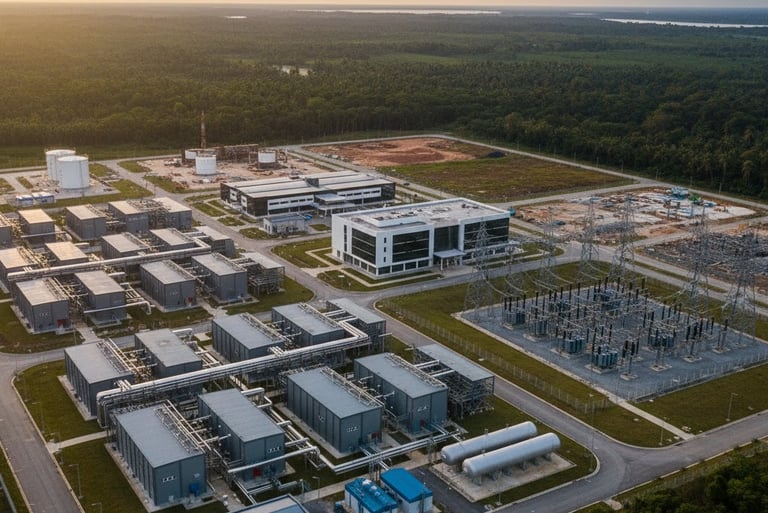
PAKA GREEN HYDROGEN PARK (PGH2P) Phase I
Project Summary
Lot Title : PT 30116 (130 Acres) to be leased for 30 years (Industry) from Perbadanan Memajukan Iktisad Terengganu (PMINT)
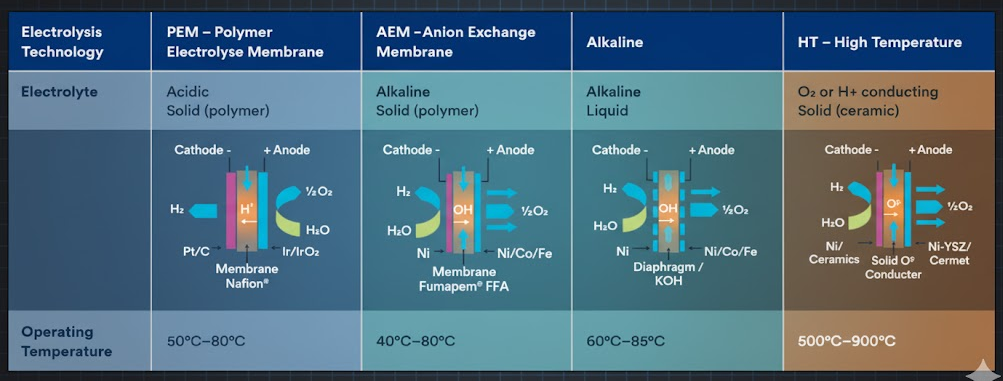
Phase I Facility to produce 28,000 tonnes per annum of Green Hydrogen using ALK Electrolyzers.
Power requirement is up to 220 MW inclusive of auxiliary power
Power will be sourced through TNB Industrial High Voltage Tariff and Green Electricity Tariff (GET) from TNB. Alternatively, green electricity can be sourced from other Renewable Energy producers under CRESS.
Green Hydrogen can be converted into Green Ammonia or Green Methanol depending on offtakers’ market demand. Offtaker’s framework agreement has been signed on 11th April 2024 for overseas market.
Phase I of the project is targeted to be completed by December 2028.
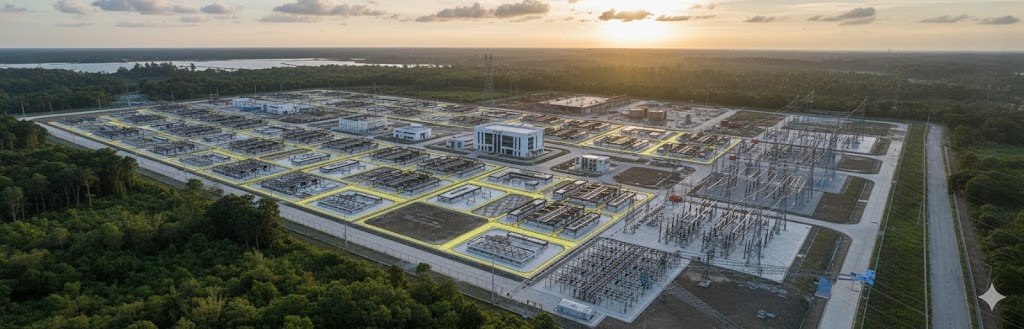
Phase 1
Phase 1 to 4
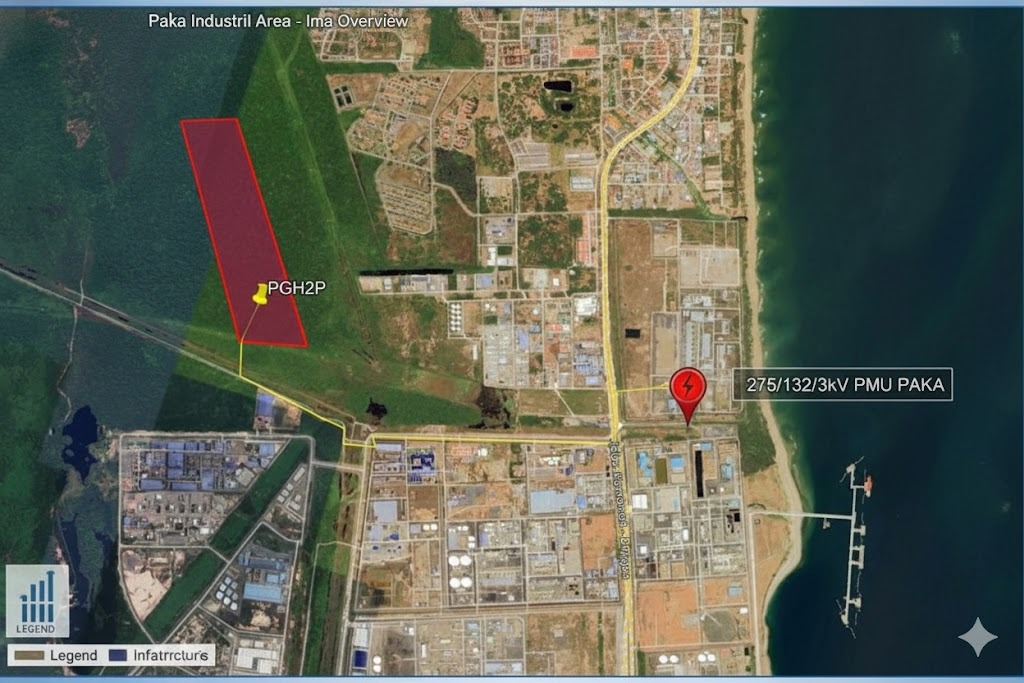
Project Area
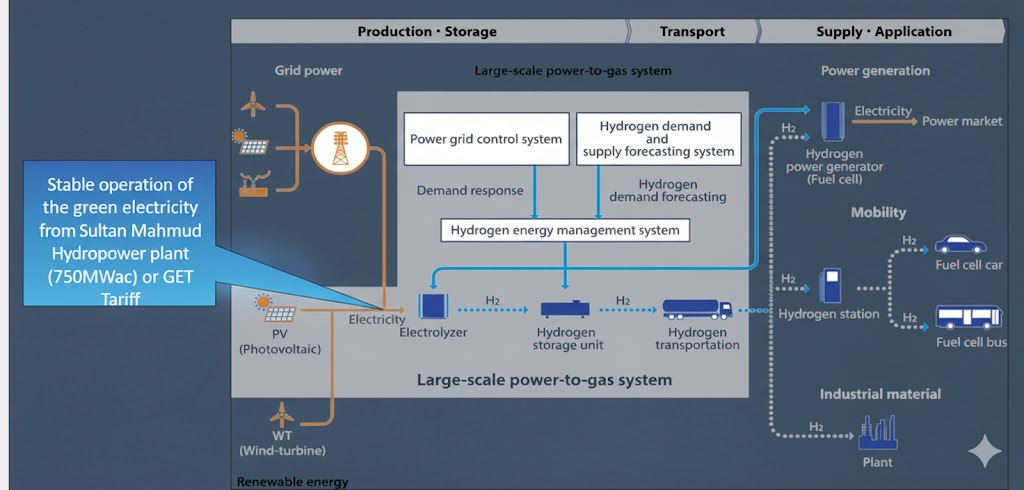
System Overview
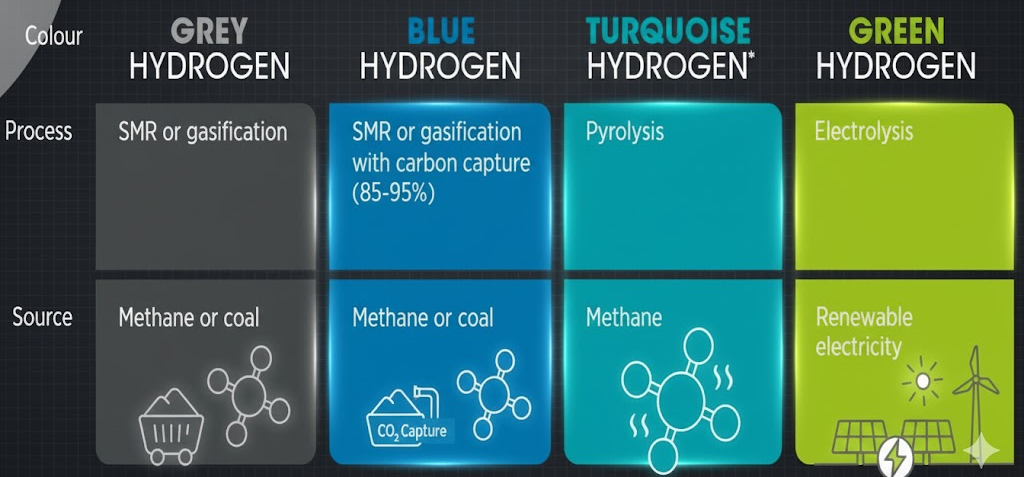
Hydrogen Category
Summary of Main Electrolyte Chemistries
Certifications & Sustainability Assurance
To strengthen PGH2P’s position as a globally compliant green hydrogen producer, the project will pursue internationally recognised certification frameworks that validate both the sustainability of its energy inputs and the eligibility of its hydrogen for export markets. These certifications ensure transparency, traceability, and credibility across the entire production chain, aligning the project with the highest environmental and regulatory standards required by international offtakers and energy regulators.-
PGH2P will operate on grid electricity supplied by TNB under an Energy Supply Agreement (ESA) on a long term basis, ensuring that power used for electrolysis is sourced from certified renewable energy. As such, PGH2P will insist on the REC from TNB to demonstrate its commitment for sustainability.
PGH2P also aims to achieve RFNBO certification, ensuring full compliance with international sustainability and traceability standards. This certification process will enable the facility’s hydrogen output to qualify for overseas export, particularly to jurisdictions that recognize RFNBO-compliant fuels under their carbon reduction frameworks.
Renewable Energy Certificate
(REC)
Renewable Fuel of Non-Biological Origin (RFNBO)
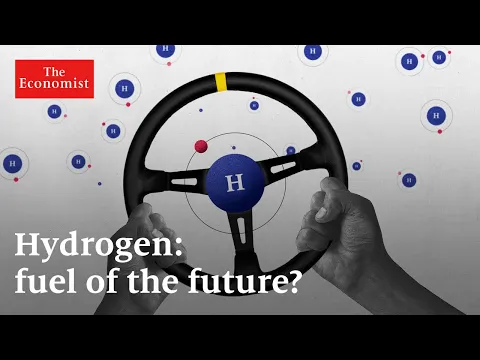
Hydrogen: Fuel of the Future
It’s been hailed as fuel of the future. Hydrogen is clean, flexible and energy efficient. But in practice there are huge hurdles to overcome before widespread adoption can be achieved. - The Economist YouTube Channel -
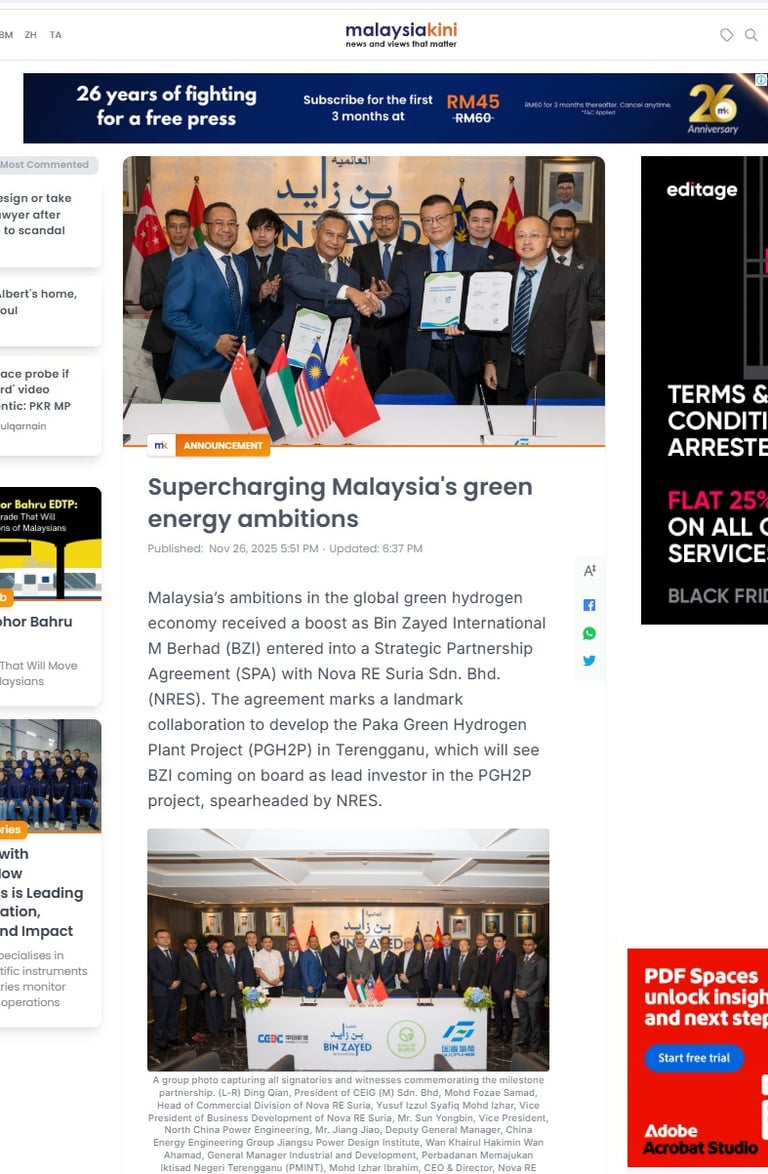
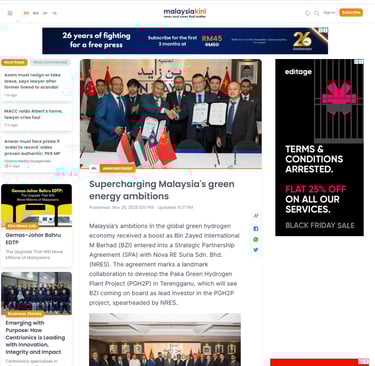
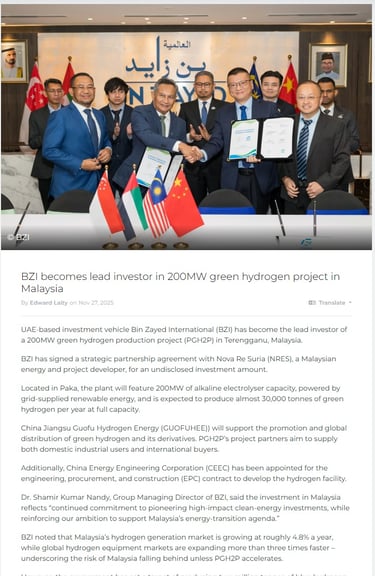
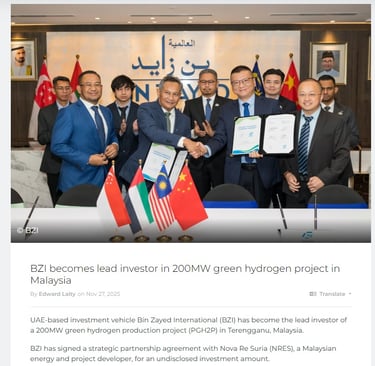
Investor Signing Ceremony Session
Bin Zayed International partners with Nova RE Suria to develop a 200MW green hydrogen project in Paka, Terengganu, strengthening Malaysia’s clean energy transition and global hydrogen ambitions.
FAQs
What is hydrogen energy?
Hydrogen is not a source but a crucial energy carrier used to store and transport clean energy. The key distinction is the production method: 'grey' hydrogen uses fossil fuels, but our focus is on green hydrogen, made via electrolysis powered by renewables like solar and hydro. This is the only pathway that delivers a true net-zero energy loop (IEA, 2025). Importantly, Malaysia's ambitious 2 Mt target by 2030 signals its commitment to this clean energy carrier, primarily to decarbonise existing heavy industries like ammonia production and refining (MIDA, 2024).
How does solar power work?
Solar power relies on the photovoltaic (PV) effect. When sunlight, comprised of photon particles, hits a semiconductor material—usually silicon—in a panel, electrons are dislodged, creating a Direct Current (DC). This DC electricity is then fed through an inverter to be converted into the Alternating Current (AC) used in homes and industry (Chemstry & Physics, 2023). For us, solar's importance is not just in electricity generation, but in providing the reliable, low-cost renewable input that makes green hydrogen production economically viable, effectively serving as the foundational power source for our electrolysers.
Why choose renewable energy solutions?
Choosing renewables is a strategic decision driven by economic resilience and national policy, not just environmental ethics. Firstly, it substantially reduces reliance on volatile global fossil fuel markets, securing greater energy security and predictable long-term costs. Secondly, shifting to solar and green hydrogen aligns closely with Malaysia's National Energy Transition Roadmap (NETR) and international decarbonisation standards (Linklaters, 2023). This strategic alignment positions companies and the nation for future competitiveness and access to emerging green financing, making sustainability a core pillar of risk-adjusted asset growth.
Where does Nova Re Suria operate?
Nova Re Suria concentrates its operations across Malaysia and strategically targeted markets in Southeast Asia. Our primary operational focus is on leveraging the specific regional strengths needed for low-cost green hydrogen production, such as the abundant hydropower potential found in East Malaysia (Norway, 2023). This may suggest that our project placement is dictated by the availability of reliable, affordable renewable energy inputs. We seek supportive regulatory environments across the ASEAN region to methodically expand our solar and hydrogen footprint, always prioritising projects with the clearest path to scale and investor returns.
Can I invest in your projects?
Yes, we actively seek strategic capital partnerships. We invite qualified investors to explore a strategic investment opportunity to help fund our next stage of growth (Nova Re Suria, 2025). Our proposition is built around securing early equity in assets poised to capitalise on the high-margin market shift toward hydrogen and large-scale solar. This is a chance to participate in generational energy transition with a clear focus on quantified return on investment (ROI), not just a general environmental mission. Interested parties are encouraged to initiate due diligence now to review the full financial prospectus.
How do you ensure project sustainability?
Sustainability is an operational standard, not just a compliance tick box. We implement strict Environmental, Social, and Governance (ESG) standards across all projects, from design to decommissioning. This includes technical measures like optimising water use for electrolysis and ensuring the use of ethically sourced materials (Enerdata, 2024). Crucially, we prioritise community engagement and regulatory adherence, as long-term project viability—and thus, investor security—is inextricably linked to maintaining a positive local impact and strong social licence to operate.